Nosy or nosey – which is correct?

Nosy or nosey – which is correct?

Nosy or nosey – which is correct? If you’ve ever found yourself asking whether you should use either of these terms, let me tell you: you’ll find a whole bunch of people with the same queries. These words are common in use, but there seems to be some confusion about the proper use of each … Read more

11 Other Ways to Say “It Was a Good Day” (See Examples)

Yet, sometimes saying “It Was a Good Day” isn’t enough. After all, describing the happiest day of your life may be followed by more mundane afternoons or remarkable moments-gives freshness and depth to your writing.  Expanding one’s vocabulary with synonyms for happiness, positive phrases, and uplifting descriptions develops storytelling. Here, you find a new list … Read more

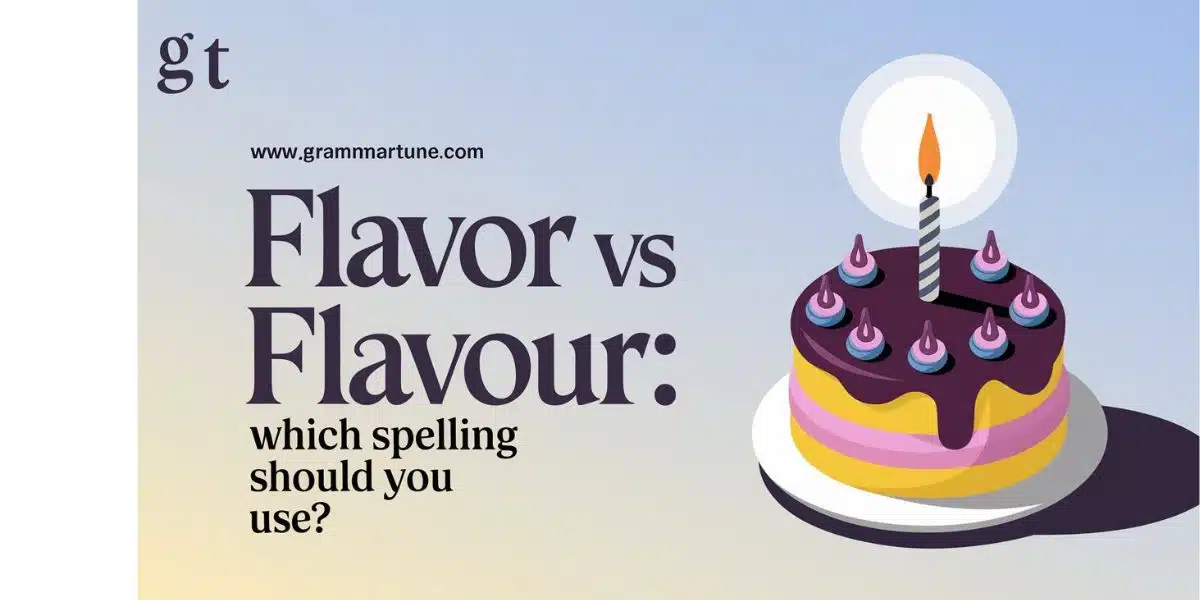
Flavor vs Flavour: Which Spelling Should You Use?

Flavor vs Flavour: Which Spelling Should You Use?

Different spellings such as flavor and flavour can often cause great consternation in English among speakers about which one to use.. In American English flavor is the standard, whereas British English’s favourite is flavour.  This differentiation does not only stop at the level of spelling as it determines so much about pronunciation, usage, and even … Read more

‘Forest’ or ‘Forrest’: Which is Correct?

‘Forest’ or ‘Forrest’: Which is Correct?

In most cases, it is just one of these-declines being called “Forest” and “Forrest”-that stands for a spelling term, even though they look very similar. Most common spelling errors are derived from confusion over these words. While a forest occupies a large area consisting of trees, shrubs, plants, and wildlife, “Forrest” usually refers to a … Read more

Motif vs Theme: Clarifying the Confusion

Motif vs Theme: Clarifying the Confusion

In fact, the distinction between motif and theme causes confusion in even the most seasoned readers and writers. They pertain to important aspects of storytelling but serve different purposes. While a motif concerns recurring items or patterns reinforcing deeper meaning, the theme refers to the message or central idea conveying the blueprint of the story … Read more

Metaphor vs Hyperbole: Explained with Examples

Metaphor vs Hyperbole: Explained with Examples

Metaphor and Hyperbole: Explained with Examples elucidates the difference between these important powerful vehicles of figurative language. Metaphor directly compares two unrelated things and provides depth and meaning. Hyperbole, however, exaggerates so as to emphasize or amuse. Writers would make use of these two in storytelling, poetry, and reportage or persuasive writing. Confusing one with … Read more

Loose vs Lose, Or “Loses” vs “Looses”: What’s the Difference and When to Use Each? (march 2025)

Loose vs Lose, Or "Loses" vs "Looses": What’s the Difference and When to Use Each?

Understanding the differences between “loose” vs “lose”, or “loses” vs “looses” is crucial for clear and effective communication. These words may sound similar, but their meanings and uses are distinct. “Loose” describes something that is not tight or free, while “lose” refers to experiencing a loss or misplacing something. Similarly, “loses” (the third-person form of … Read more

Thank You Messages for Daycare Teachers

Thank You Messages for Daycare Teachers

Thank You Messages for Daycare Teachers are not just mere words—they’re an honest means of thanking the incredible influence these teachers have on little ones. Daycare teachers are also responsible for cultivating, mentoring, and molding children’s futures while becoming second parents to most of them. Showing appreciation can work wonders whether in the form of … Read more